DWC Magazine: Strong Women, Strong Voices

DWC Weekly is free, every Tuesday. Get it in your inbox →
Help keep it free: buy us a coffee·browse the shop
Search DWC Weekly
Type a writer’s name or any word or phrase to find articles from every issue.
The Rise of the Kidult:
Why Adult Children Still Need Their Parents.
Parenting does not end at 18. It just becomes something entirely different. Cathy Jones on the kidult years, on dependence that is not failure, and on the twenty minutes in the car where the real conversation happens.


 Cornerstone Partner · Michelle Wollaston
Invisible Capital: The Hidden Energy Women Carry in Life and Work
Scars That Shine · DWC Editorial
Thirty Years After Adare: Ann McCabe and the Two Men Still Missing From the Dock
Cornerstone Partner · Michelle Wollaston
Invisible Capital: The Hidden Energy Women Carry in Life and Work
Scars That Shine · DWC Editorial
Thirty Years After Adare: Ann McCabe and the Two Men Still Missing From the Dock
 Cornerstone Partner · Jamie Tedrick-Monroe
Living with BPD, Autism, and Finding My Purpose as a Counsellor
DWC 100 Women · DWC Editorial
Dr Ann Wolbert Burgess: The Nurse Who Taught the FBI How to Listen to Victims
Cornerstone Partner · Jamie Tedrick-Monroe
Living with BPD, Autism, and Finding My Purpose as a Counsellor
DWC 100 Women · DWC Editorial
Dr Ann Wolbert Burgess: The Nurse Who Taught the FBI How to Listen to Victims
 Book Review · Pat Allchorne
A Court of Thorns and Roses by Sarah J Maas: A Huntress, a Bargain and Seven Faerie Courts
Book Review · Pat Allchorne
A Court of Thorns and Roses by Sarah J Maas: A Huntress, a Bargain and Seven Faerie Courts
 Food & Travel · Mike Devlin
Why Your Zero Per Cent Beer Still Says Do Not Drive: The Law Behind Alcohol-Free Labels
DWC 100 Women · DWC Editorial
Ann Cole Lowe: The Woman Who Made Jacqueline Bouvier’s Wedding Dress and Was Never Named
Food & Travel · Mike Devlin
Why Your Zero Per Cent Beer Still Says Do Not Drive: The Law Behind Alcohol-Free Labels
DWC 100 Women · DWC Editorial
Ann Cole Lowe: The Woman Who Made Jacqueline Bouvier’s Wedding Dress and Was Never Named
 Movie Review · DWC Editorial
Mama (2013): A Three-Minute Short, Guillermo del Toro, and a Ghost Built Entirely From Maternal Love
Cornerstone Partner · Julie Hayes
A Favour My Friend: A Poem About the Drawer Nobody Wants the Children to Find
Scars That Shine · DWC Editorial
The Woman They Could Not Erase: Jacqueline Kirk and the Twenty-One Years She Refused to Be Only a Victim
Cornerstone Partner · Michelle Wollaston
The Death Doula: The Role Nobody Told You Existed, But Almost Everyone Will Eventually Need
DWC 100 Women · DWC Editorial
The Woman Two Governments Tried to Stop: Ruth Williams Khama, First Lady of Botswana
Movie Review · DWC Editorial
Mama (2013): A Three-Minute Short, Guillermo del Toro, and a Ghost Built Entirely From Maternal Love
Cornerstone Partner · Julie Hayes
A Favour My Friend: A Poem About the Drawer Nobody Wants the Children to Find
Scars That Shine · DWC Editorial
The Woman They Could Not Erase: Jacqueline Kirk and the Twenty-One Years She Refused to Be Only a Victim
Cornerstone Partner · Michelle Wollaston
The Death Doula: The Role Nobody Told You Existed, But Almost Everyone Will Eventually Need
DWC 100 Women · DWC Editorial
The Woman Two Governments Tried to Stop: Ruth Williams Khama, First Lady of Botswana
 Travel · DWC Editorial
Ha Long Bay, Vietnam: Where Limestone Meets Legend, and How to See It Properly
Travel · DWC Editorial
Ha Long Bay, Vietnam: Where Limestone Meets Legend, and How to See It Properly
Strong Voices.
Pat Allchorne's
Best Reads
Five books. Every month. Chosen by a woman who has spent her life surrounded by them. Pat Allchorne ran a 40,000-book shop for nearly twenty years — now she reads for the joy of it, and shares what she finds with DWC readers around the world.
 August 2026 · Summer Reads
The Summer Seekers
August 2026 · Summer Reads
The Summer Seekers
 August 2026 · Summer Reads
The Shell Seekers
August 2026 · Summer Reads
The Shell Seekers
 August 2026 · Summer Reads
A Time of Green
August 2026 · Summer Reads
A Time of Green
 August 2026 · Summer Reads
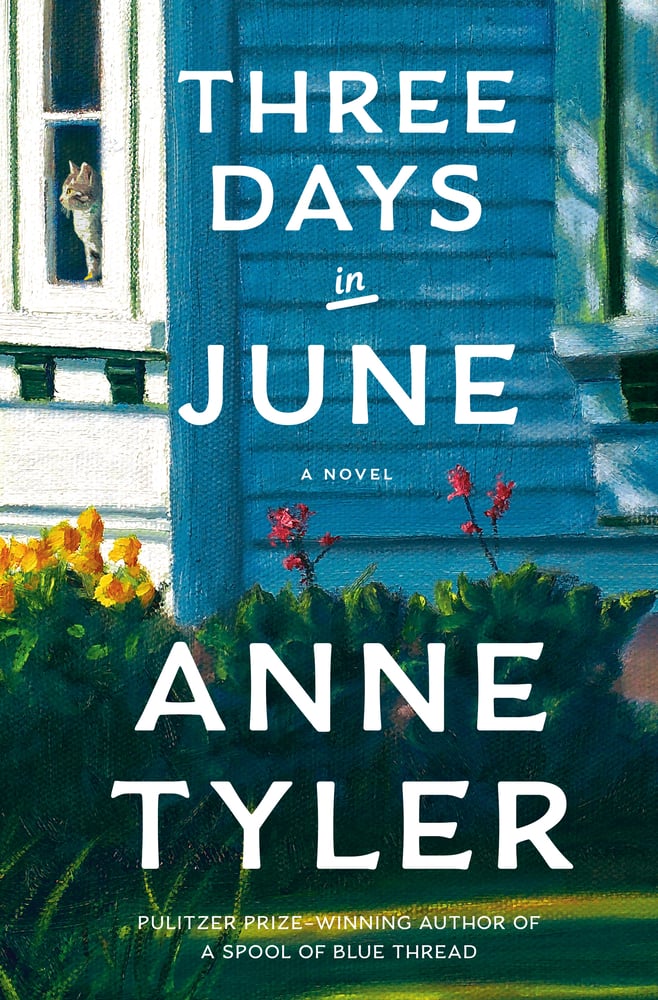
Three Days in June
August 2026 · Summer Reads
Three Days in June
 August 2026 · Summer Reads
A Month in the Country
August 2026 · Summer Reads
A Month in the Country
 July 2026 · Fantasy
The Lord of the Rings
July 2026 · Fantasy
The Lord of the Rings
 July 2026 · Fantasy
The Lion, the Witch and the Wardrobe
July 2026 · Fantasy
The Lion, the Witch and the Wardrobe
 July 2026 · Fantasy
The Colour of Magic
July 2026 · Fantasy
The Colour of Magic
 July 2026 · Fantasy
The Ronan Trilogy
July 2026 · Fantasy
The Ronan Trilogy
 July 2026 · Fantasy
The Inkheart Trilogy
July 2026 · Fantasy
The Inkheart Trilogy

"A book left on a shelf for a decade is a dead thing — but also a chrysalis, packed with the potential to burst into new life."
For nearly 20 years Pat ran a second-hand bookshop in Warrington — over 40,000 books on every subject imaginable. Now retired, she reads with the same joy she always has, especially when she discovers new authors.
favourite book?
Voices that
don't look away.
Writers who go where it's uncomfortable — and come back with something worth knowing.
 Michelle Wollaston
Why Your Body Still Remembers Trauma Long After It's Over
Michelle Wollaston
Why Your Body Still Remembers Trauma Long After It's Over
 Julie Hayes
The Avalanche of Inadequacy: Boobs, Bum Cheeks, and Beauty Blunders
Jamie Tedrick-Monroe
Lessons from the Shadows: Mental Health, Healing, and Year-End Renewal
Julie Hayes
The Avalanche of Inadequacy: Boobs, Bum Cheeks, and Beauty Blunders
Jamie Tedrick-Monroe
Lessons from the Shadows: Mental Health, Healing, and Year-End Renewal
 Sofia Pedroso
The Breakdown That Built Me: How a Crisis Sparked Her Business, Shiffully
Sofia Pedroso
The Breakdown That Built Me: How a Crisis Sparked Her Business, Shiffully
One commitment to truth.
The Home of
Sir Archibald Fluffington
He is imperious, opinionated, and thoroughly convinced of his own magnificence. Sir Archibald Fluffington III — Fluff of House Biscuit, Emperor of the Side Table Realm — chronicles the indignities of domestic life entirely on his own terms.

"One meow, a tail wrap around her ankle, and a dramatic flop onto my side — voilà. I had secured a human."
Fluff of House Biscuit. Emperor of the Side Table Realm. Undisputed Duke of Disdain. Sir Archibald has endured much — toddlers, vets, expired yogurt — and he intends to tell you all about it.
imperious cat in fiction?
Books that
stay with you.
Fiction, memoir, mystery and more — reviewed by real readers, women who bring their full lives to the page. Every title in the DWC Reading Room is worth the time it asks for.
 Spirituality
Between Earth and Eternity
Spirituality
Between Earth and Eternity
 Memoir, Humour
Marrying George Clooney
Memoir, Humour
Marrying George Clooney
 Memoir, Business
Hammock Way of Life
Memoir, Business
Hammock Way of Life
 Memoir, Family
Awakenings in Real Life
Memoir, Family
Awakenings in Real Life
 Memoir, Resilience
How to Eat A $*!# Sandwich and Keep Smiling
Memoir, Resilience
How to Eat A $*!# Sandwich and Keep Smiling
 Spirituality, Growth
Embrace Spirituality and Enhance Your Human Experience
Spirituality, Growth
Embrace Spirituality and Enhance Your Human Experience
 Mystery, Suspense
The Ice Twins
Fiction, Romance
The Other Bennet Sister
Mystery, Suspense
The Ice Twins
Fiction, Romance
The Other Bennet Sister
 Fiction
Mr. Gandy's Grand Tour
Fiction
Mr. Gandy's Grand Tour
is waiting in the Room.