Hi, Italia! Upset yet?
Putting aside the fact that pasta is actually of Asian origin, pasta is basically all the same. But isn’t. Methinks I need to explain the explanings.
Grab a type of flour, some water, maybe some salt, and possibly eggs, and you get pasta. That’s it, really (I appreciate there are other things that can be added, like truffle, mushroom, and so on). No matter what you’re eating, that’s essentially what you are... eating. The differences begin with the type of flour: wheat, rice, semolina, etc. But usually, the finer (type 00) the better.
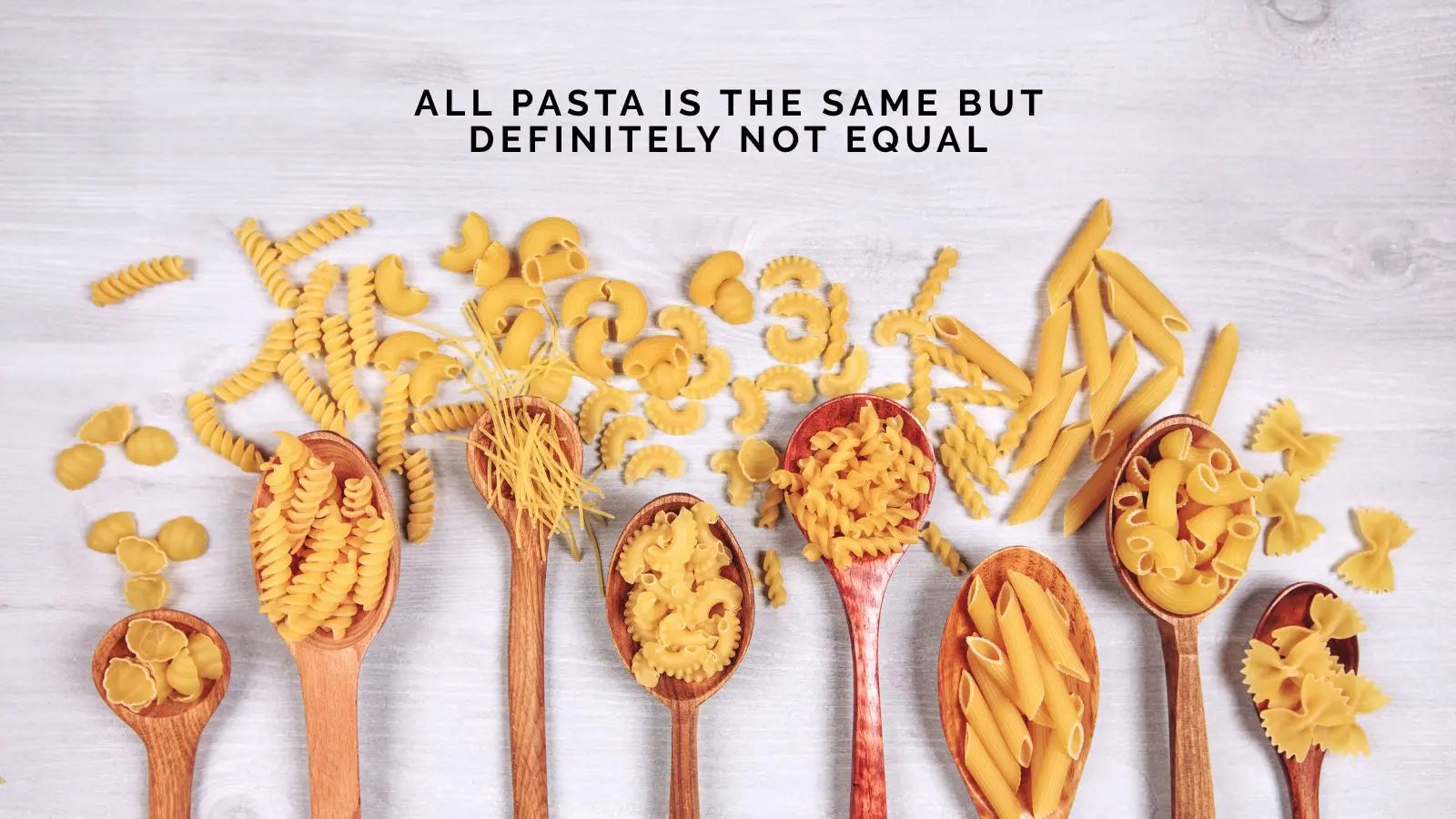
Then add all the different shapes and sizes, and suddenly you have hundreds of variations of the same thing — the same but different.
Do not believe anyone who says, “I hate fusilli but love penne.” They’re talking absolute nonsense, unless the penne you buy costs five times as much as the fusilli you bought (far better ingredients, y’see).
I recently stumbled upon an Australian article lambasting the majority of chefs for getting a particular Italian dish wrong. Curious, I clicked it, and to my dismay, it was about the pasta shape — and the smoothness or otherwise. I’ll be honest, I got annoyed. This, to me, is very basic pasta-cooking 101: pair the sauce with the correct type of pasta. Either there are a lot of daft chefs out there, or this was clickbait at its finest (I so hope it was the latter).
A smooth sauce needs something to cling to and will simply slide off a smooth pasta, but will fill the nooks and crannies of a shaped, rough one. See? Simple.
And this is where you, the shopper, come in. Beyond choosing between the basic supermarket brand or good-quality organic egg pasta, this is really your only decision. But it’s a very important one, and it will make or break your dish.
Keep that one rule in mind on your next trip to the grocery store — although, admittedly, knowing how to cook a great sauce will also help.
_(26).jpg)