.jpg)
Progress isn’t moved by panels, but what we do the other 364 days
I’ve always been a bit allergic to being told to tone it down or that I’m too much. It’s usually code for “make yourself easier to ignore”. International Women’s Day is our annual reminder that women are still being asked to earn what should already be ours: safety, respect, fair pay, visibility, value. We can talk about it until we’re blue in the face, and we do. But progress doesn’t come from talking. It comes from acting, even when it makes things awkward, even when it costs you, even when you don’t feel ready.
I say that because I’ve acted when it was awkward, when it cost me, and when I had no idea what I was up against.
One of the first people to tell me to tone it down was someone I admired and respected. He wasn’t subtle about it.
He was the editor of a paper I desperately wanted to write for. I’d worked my butt off to prove I had what it took. After being passed over again, I asked to meet with him so I could understand what more I needed to do.
What he said rocked me. It was my first overt experience of gendered assumptions. It landed like a slap disguised as feedback.
He told me I was too vivacious to work for his paper. He said he’d be concerned about how I would act if I were interviewing the prime minister, as though I were a toddler incapable of emotional control rather than a professional already doing the job.
I remember sitting there, stunned, trying to reconcile his explanation with the reality of what I had demonstrated for three years. (Image by Annette Densham)
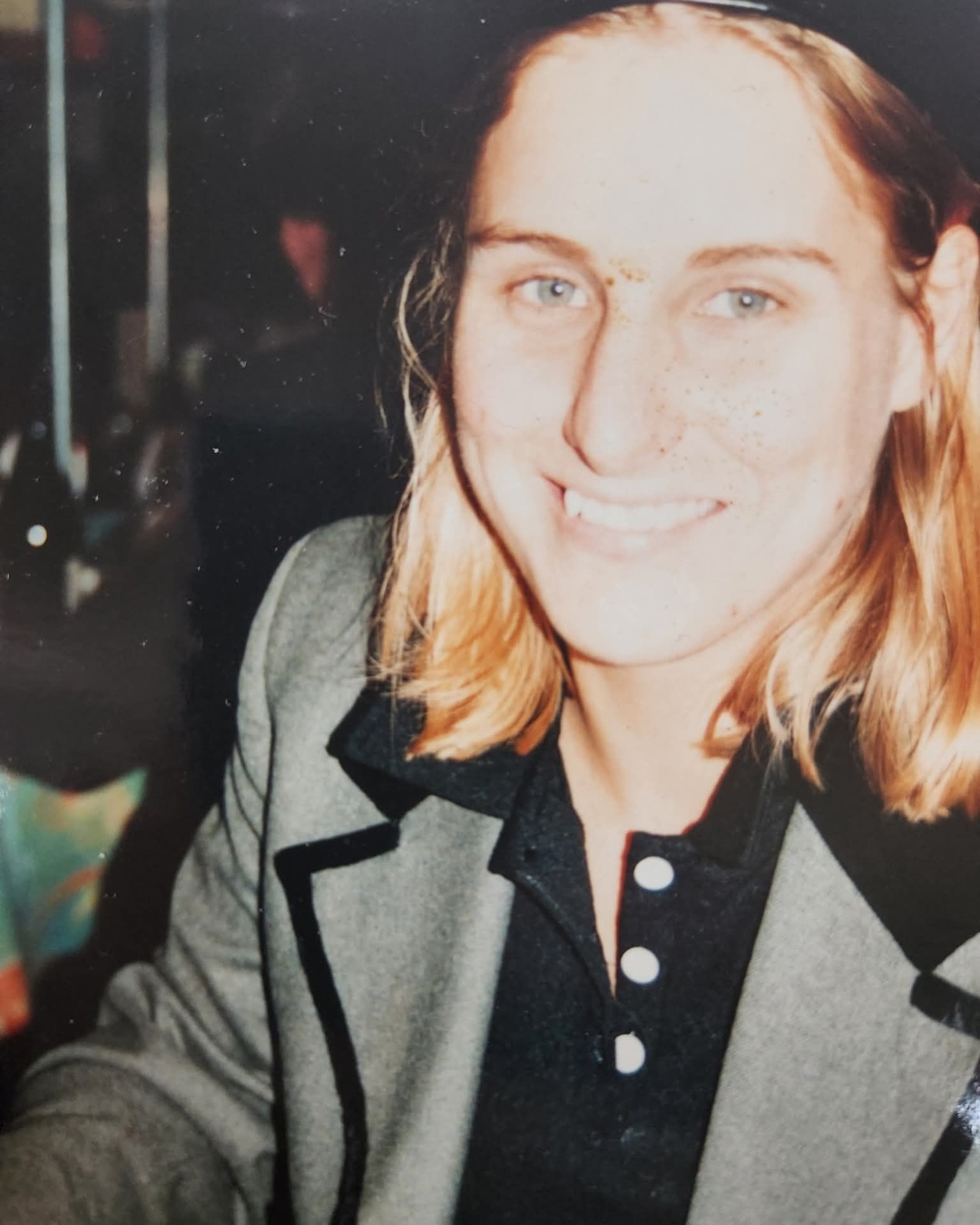
All he could see was a young, outgoing woman who said what she thought and wore her heart on her sleeve. He didn’t see my tenacity, guts and determination. He didn’t see my ability to put people at ease so they would tell me anything I asked. He didn’t see how I could read a room and shift tone, register and energy in seconds, because that’s what good journalists do. He had already decided my personality was a liability.
Back then, the language was blunt. These days, it would be dressed up as culture fit, executive presence or not polished enough. The wording evolved but the bias didn’t.
I asked him if he wanted to only hire boring people. Not my most strategic move, but I wanted to challenge the thinking. He said he’d reassess if I could prove my value with a few assignments. I declined. It wasn’t worth abandoning my dignity. You’d think three years of working my butt off counted for something.
He didn’t critique my work. He didn’t question my rigour or my interviews. He framed my personality as a professional risk. The words weren’t neutral and rarely used to describe men in a newsroom. A confident, animated male journalist would’ve been described as charismatic, energetic, engaging, even dynamic. Newsrooms in the early 90s were notoriously male-dominated, hierarchical, and protective of their image of serious journalism. An outspoken young woman didn’t fit the template.
That meeting wasn’t the moment. It was an introduction to a world I thought was fairer than it was. It’s better now. It’s still not good enough.
I was told, more times than I can count, to play the game. Accept it because that's how it'd always been. Don’t rock the boat. I was screamed at by men in leadership roles when all I wanted was guidance and encouragement. I was demeaned, called 'girl', and subjected to harassment. It didn't just happen to me. But no one said or did anything.
I did.
I took them to court. I was offered money to go away. I turned it down. I told my story. I lost. I appealed. A QC at a big Sydney law firm represented me for nothing. The judge acknowledged how wrong the workplace culture was, then found in their favour because he didn’t want to set a precedent.
I was ostracised. The path I thought I’d take was gone. Despite being broken and disillusioned, I was proud of what I’d done because I hadn’t participated in my own diminishment. It cost me more than I bargained for, professionally and personally. The words that looped in my head were all that’s necessary for the triumph of evil is for good people to do nothing. I knew I didn’t want to do nothing because it was safer, it didn’t rock the boat, and kept other people comfortable.
At 24, I could’ve put up and shut up, convinced myself that enduring was the price of admission. I didn’t. I went up against a giant because I wasn’t prepared to accept the status quo. That refusal shaped every decision I’ve made since. I’ve had plenty of moments where it would have been easier to downplay my value to belong, soften my voice, or apologise for taking up space, but each time I remembered that shrinking never changes the room.
That experience didn’t make me exceptional. It made me aware. Aware that the system only shifts when someone decides the discomfort of speaking is smaller than the discomfort of staying silent. I wasn’t trying to be brave. I wanted to be able to live with myself. What I learnt, long before I had language for it, is that change rarely begins with confidence or a well thought out plan. It begins with knowing deep in your belly that what’s happening isn’t right, and the refusal to swallow it.
That’s the thread that runs through every woman who’s ever shifted the dial.
The world has been changed by women who reached a point where doing nothing felt worse than being criticised. Rosie Batty didn’t set out to be a national advocate; she was a mother who survived the unthinkable and refused to let violence against women remain a private conversation. Rochelle Courtenay read about period poverty and decided she couldn’t unknow it, so she built Share the Dignity and turned a whispered issue into a practical movement. Sara Blakely kept knocking on doors that wouldn’t open because she was tired of being told discomfort was how things were. None waited for confidence to arrive like an Amazon parcel. They acted, and confidence followed.
The system these women pushed against isn’t just unfair to women. It’s broken for everyone.
Misogyny isn’t just a women’s issue. It wounds men in ways we don’t always acknowledge. It teaches boys that care is weakness and control is strength, anger is acceptable but tenderness isn’t, and rewards the worst behaviour with status while calling it leadership. That distortion limits everyone, not just the women on the receiving end.
For women, that shift happens as much in how we treat ourselves and each other as it does in courtrooms or campaigns. It’s in whether we apologise for existing or speak as though we belong. It’s in whether we minimise our achievements or own them without flinching. It’s in whether we roll our eyes at the woman who is visible, ambitious and unapologetic, or whether we recommend her, back her and defend her when she is not in the room. It’s in whether we default to competition or choose collaboration, whether we pay another woman’s invoice promptly, credit her properly, introduce her to opportunity and celebrate her success without attaching a silent asterisk.
Change isn’t something to abdicate to governments or society while we sit back and critique the pace of progress. We all have a role, and there’s power in individual actions, not just the grand heroic ones we tell ourselves we’re not capable of, but the everyday ones that compound over time. It’s Jeff Olsen’s The Slight Edge in practice, because small actions repeated consistently shift culture far more effectively than a single rousing speech. It looks like applying for an award even when you feel nervous, pitching even when you think you’re not quite ready, backing another woman in a room she isn’t in, and refusing to apologise for competence.
This is the same muscle I had to build in my twenties, refusing to shrink. It’s the same muscle we need now, collectively.
IWD is an uncomfortable reminder that progress only moves when people act, not when they applaud.
We should be taking away more than a lovely gift bag and an hour or two of inspiration that fades when you are faced with the reminder that the world still sees women as not equal.
Take something with you that lasts past the day and resist the temptation to leave with nothing more than a notebook full of inspiring quotes. Ask yourself what you can give in order to gain, because generosity, collaboration and reciprocity only work when they are practised, not posted about. That might mean recommending a woman for an opportunity without being asked, paying her invoice on time, leaving a proper review, making an introduction that costs you nothing but could change her trajectory, or examining why another woman’s visibility makes you uncomfortable instead of critical.
As women, the power to change has to be claimed, practised and protected, which begins with recognising our inalienable worth as something not earned or bestowed through perfection or permission, but as something that already exists. Living like we believe it means speaking without prefacing everything with ‘sorry’, swapping apology for appreciation, and owning achievements without dressing them up as lucky accidents. It means understanding that equality cannot be a popularity contest where we only support the women who feel safe and familiar.
If we did this consistently, we could stop talking about equality like it’s a legacy for our grandkids and start building it in real time through the choices we make every day. Stop waiting for it to happen and make it happen in your mind and your world, because it’s the choices you make, what you tolerate and what you refuse, that create momentum. Not someday, when you feel ready or qualified or certain, but now, when you are simply willing.
The world changes one person at a time. That person is usually someone who decided doing nothing was no longer an option.


.jpg)
.jpg)
.jpg)
.jpg)
.jpg)
.jpg)