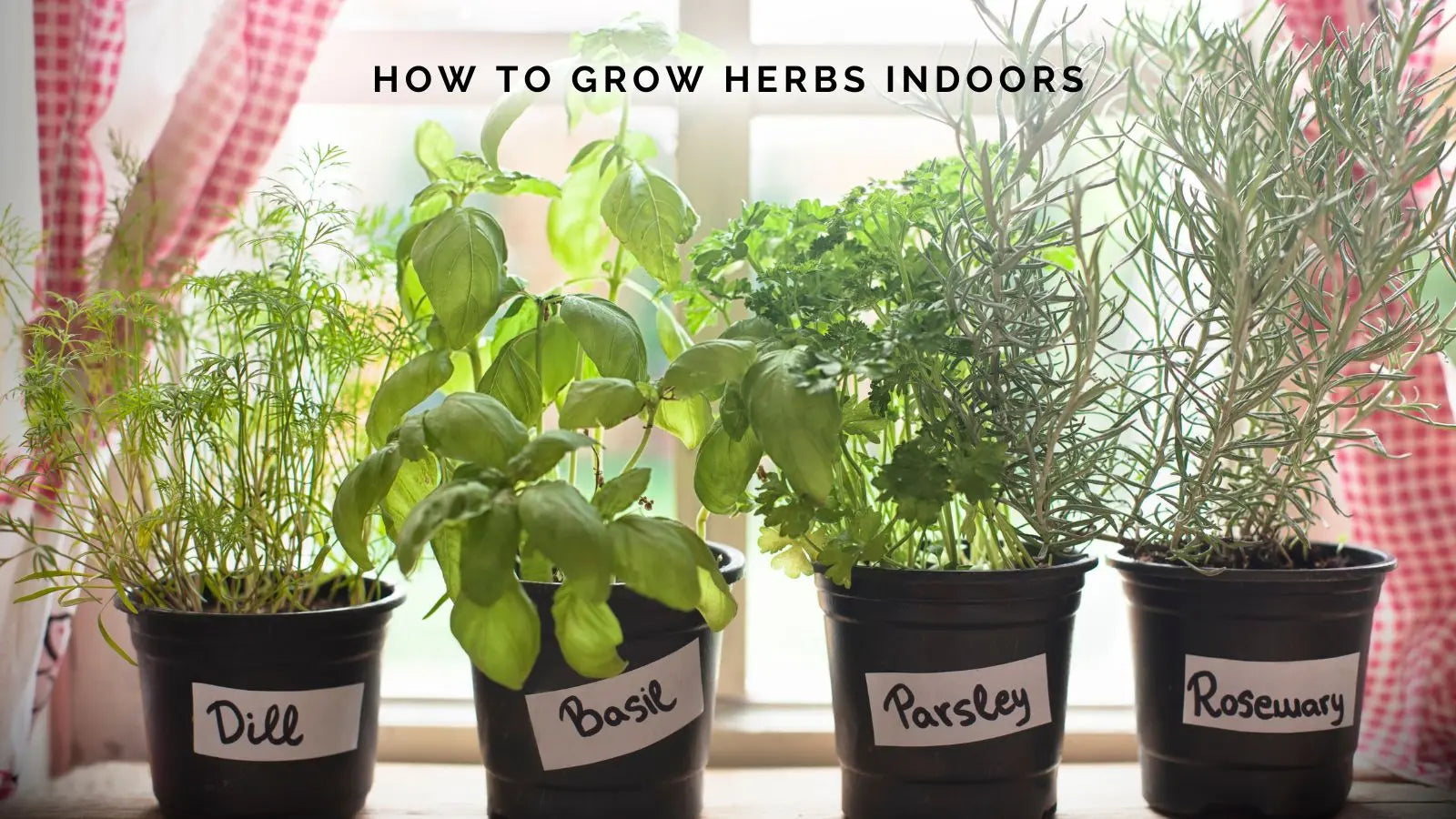
Who says you need a sprawling garden to enjoy fresh herbs? Even the tiniest apartment can become a fragrant sanctuary of basil, thyme, and mint if you know a few tricks of the trade. Growing herbs indoors isn’t just about convenience—it’s about creating a little green escape in the middle of your everyday life. And the best part? You don’t need a massive kitchen or a conservatory to make it happen. You just need light, love, and a little patience.
When it comes to indoor gardening, not all herbs play nicely. Some crave sunlight like it’s oxygen, while others are happy to lounge in the shade. The trick is to pick herbs that are adaptable, forgiving, and thrive in containers. Basil, for instance, adores warmth and sunlight. It’s perfect for anyone who dreams of fresh pesto or loves to toss a few fragrant leaves into a pasta sauce. Mint, on the other hand, is the laid-back one in the group—it’ll grow almost anywhere and even tolerates partial light. You can use it for teas, mojitos, or simply to freshen the air.
Thyme is another easy-going herb, thriving in small pots and needing minimal fuss. Parsley takes its time to grow, but once established, it keeps giving. Chives, with their slender green stems, can handle less sunlight and are perfect for windowsills that only catch a few hours of light each day. Oregano and cilantro are slightly pickier but very rewarding. Oregano loves full sun and drier soil, while cilantro appreciates cooler conditions and steady moisture. The fun part is experimenting—each herb adds its own scent, texture, and personality to your little indoor garden.
Sunlight is the make-or-break factor when it comes to growing herbs indoors. Most herbs need between six to eight hours of sunlight each day, which sounds easier than it is when you live in a flat that doesn’t exactly resemble a greenhouse. The best place to start is a south-facing window—this is your prime real estate for sunlight. If you’re not lucky enough to have one, don’t despair. Grow lights are your best friend. Compact, inexpensive, and easy to use, they mimic natural sunlight and can be adjusted to suit your herbs’ needs.
A full-spectrum LED grow light is a great choice, and you’ll only need to keep it on for around ten to twelve hours a day. It’s like creating a mini Mediterranean climate in your kitchen. You’ll notice if your herbs are craving more light—they’ll start to lean towards the window as if stretching for a sun lounger. That’s your cue to move them closer to the light source or rotate them regularly to make sure they grow evenly.
Setting up your indoor herb garden doesn’t require a lot of fancy gear, but there are a few essentials that make a world of difference. Start with pots that have proper drainage holes—herbs absolutely hate sitting in waterlogged soil. Think of terracotta pots for that rustic charm or even recycled mugs and jars if you’re feeling creative, as long as you can add a drainage hole. Place a saucer or tray underneath each pot to catch any excess water and prevent your counter from turning into a swamp.
For the soil, avoid using garden soil—it’s too heavy and dense. Instead, go for a light, organic potting mix that allows air and water to flow freely. This helps roots breathe and keeps your herbs healthy. A small watering can or spray bottle is also handy, allowing you to water precisely and avoid overdoing it. Labels might sound unnecessary, but once your herbs start growing, it’s easy to confuse mint for oregano. A few cute tags can save you from culinary surprises.
Every gardener—indoor or not—runs into challenges. The good news is, most herb problems are easy to fix once you know what’s wrong. If your herbs are wilting, it’s often a matter of too much or too little water. Stick your finger into the soil; if it’s dry an inch below the surface, it’s time to water. If it’s still damp, leave it be. Yellow leaves are usually a cry for help due to too much water or not enough sunlight. Spindly, leggy stems are a sign that your herbs are desperate for more light, while slow or stunted growth could mean your plant’s pot is too small or the soil has run out of nutrients.
One of the more common indoor issues is mould on the soil surface. This happens when air circulation is poor or the soil stays too wet. The best fix is to let the top layer dry out before watering again. A small fan nearby or an occasional open window can also help keep the air moving and the mould away.
When it’s finally time to harvest, there’s a right way to do it that keeps your herbs growing strong. The golden rule is to snip, not strip. Regularly trimming encourages bushier growth, but never remove more than a third of the plant at once. Always cut just above a leaf node—the spot where new leaves emerge—and use clean scissors or your fingers. The more you harvest thoughtfully, the more your herbs will reward you. It’s a delicious cycle of growth and renewal.
Once you’ve got your little herb garden established, you’ll be amazed at how it transforms your space. It’s not just about the convenience of having fresh flavours at your fingertips—it’s about the joy of nurturing something. Group herbs with similar needs together so you can water and care for them more easily. Rotate your pots every few days so all sides get equal sunlight, and if you’re short on counter space, consider going vertical. Hanging planters or wall-mounted shelves can turn even the smallest kitchen into a green haven.
And yes, it’s completely fine to talk to your plants. Studies suggest it helps them grow, and even if it doesn’t, it definitely helps your mood. There’s something grounding about checking in on your herbs each morning, noticing a new sprout or leaf, and realising that—even in the middle of city life—you’ve created something alive.
Indoor herb gardening is equal parts patience, curiosity, and a dash of mischief. You’ll have successes, you’ll have wilted basil, and you’ll definitely have moments where you question why your mint suddenly turned into a jungle. But that’s the fun of it—it’s a living, growing experiment that adds beauty, fragrance, and flavour to your everyday life.
So, start small. Pick a few herbs, find their favourite sunny spot, and watch the magic happen. Before long, you’ll be sprinkling your own home-grown chives onto breakfast eggs, stirring fresh oregano into pasta sauce, and realising that you didn’t need a garden after all—you just needed a windowsill and a bit of heart.
Your indoor herb adventure starts now.